

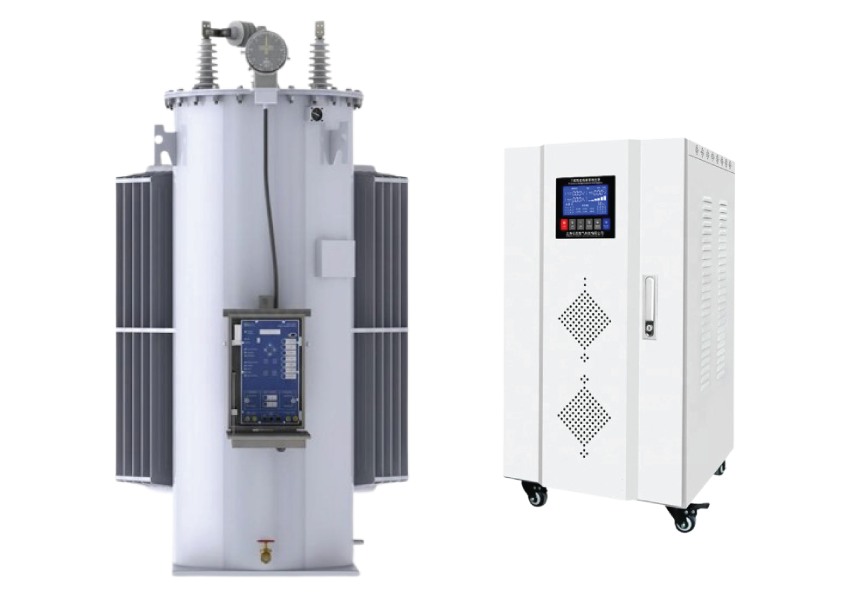
Automatic Voltage Regulator (AVR)
Precision Voltage Stability For 11kv & 33kv Power Systems
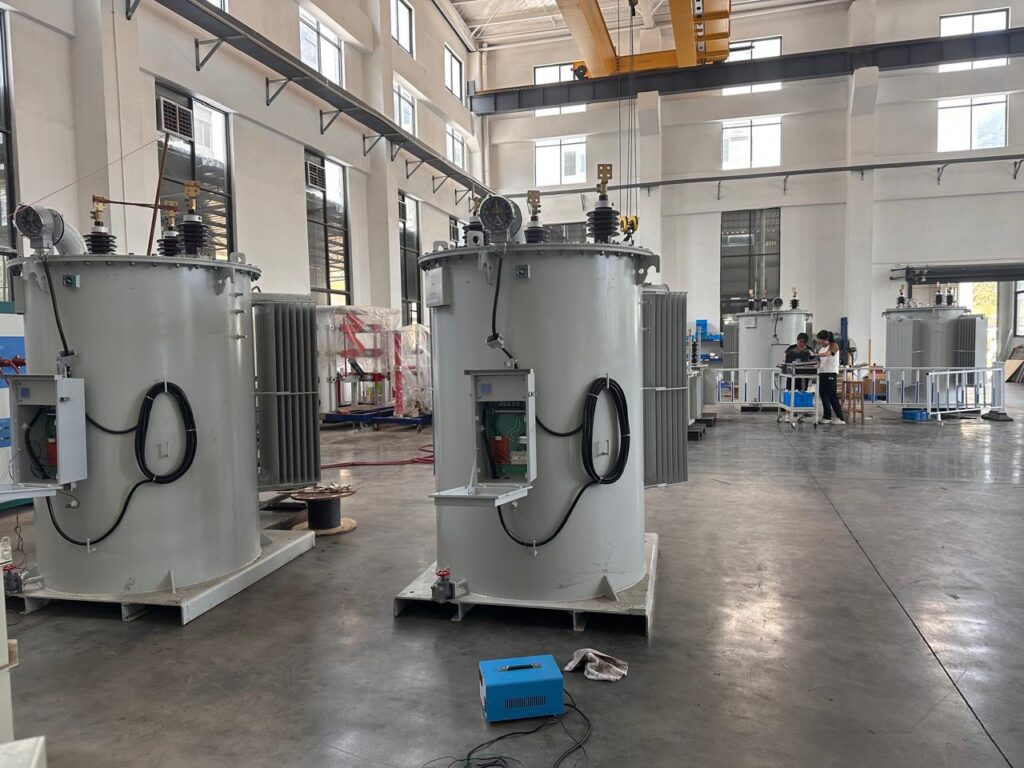
AVERIQ delivers high-performance, reliable step voltage regulator solutions designed for 11kV and 33kV distribution networks. Our AVR/SVR ensures optimal voltage quality and grid stability across diverse applications—from industrial plants and renewable energy farms to utility substations and large commercial complexes.
KEY FEATURES & BENEFITS
- Voltage Regulation – Maintains up to ±20% voltage regulation for system reliability.
- Rapid Response - Corrects voltage fluctuations within seconds
- Smart Grid Compatible - IEC 61850 protocol for SCADA integration
- Low Maintenance - tap changers are sealed construction
- Weatherproof Design - Corrosion-resistant for harsh environments
- Wide Application Range - 50 A to 1000 A capacity
- Dual Voltage Rating - Available for both 11kV & 33kV systems
What is an Automatic Voltage Regulator (AVR)?
An Automatic Voltage Regulator is an electronic device that continuously monitors the incoming voltage from your main power supply. When it detects voltages that are too high (sags/brownouts) or too low (surges/spikes), it automatically and instantaneously corrects them to a safe, pre-set level.
Why is Voltage Stability So Important?
Most electronic equipment is designed to operate within a specific voltage range (e.g., 220V ±10%). When voltage deviates from this range, it can cause:
- Data Corruption & System Crashes: Computers and servers can freeze, reboot, or suffer from corrupted data.
- Hardware Damage: Persistent overvoltage stresses and can permanently damage power supplies, motherboards, and other internal components.
- Reduced Lifespan: Even minor, continual fluctuations cause "electrical stress," significantly shortening the life of your equipment.
- Flickering Lights & Performance Issues: In industrial settings, motors can overheat, and production line equipment can behave erratically.
- An AVR directly prevents these issues, safeguarding your investment and ensuring operational continuity.
How Does an AVR Work?
The core principle of an AVR is automatic correction. While technologies vary, the process generally follows these steps:
- Sensing: The AVR continuously monitors the input (primary) voltage.
- Comparison: It compares this incoming voltage to a stable reference level.
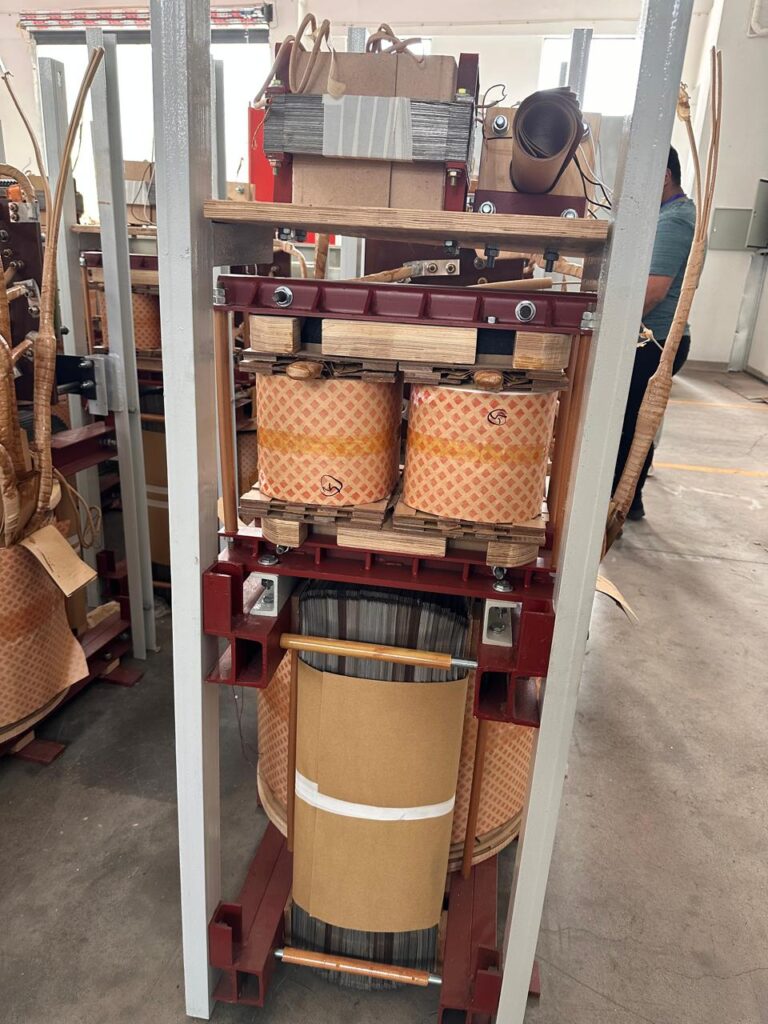
- Correction: If a discrepancy is detected, an internal control circuit activates a correction mechanism. In the most common type (a servo-controlled AVR), this involves a motor that moves a carbon brush across a transformer winding to either "buck" (reduce) or "boost" (increase) the voltage.
- Output: The result is a clean, stable output voltage delivered to your connected equipment, typically within ±1% to ±5% of the desired value.
Key Benefits of Installing an AVR
- Protects Sensitive Equipment: Extends the lifespan of computers, medical devices, industrial machines, and telecommunications systems by providing them with optimal voltage.
- Improves System Reliability: Prevents unexpected shutdowns, freezes, and data loss caused by voltage instability.
- Reduces Downtime and Maintenance Costs: By preventing voltage-related damage, you avoid costly repairs, replacements, and production halts.
- Energy Efficiency: Stable voltage can help improve the efficiency of motors and other inductive loads, potentially reducing energy consumption.
- Cost-Effective Protection: An AVR is often a more affordable and targeted solution than a full UPS for scenarios where protection from voltage fluctuations is the primary concern, not short-term battery backup.
Common Applications of AVRs
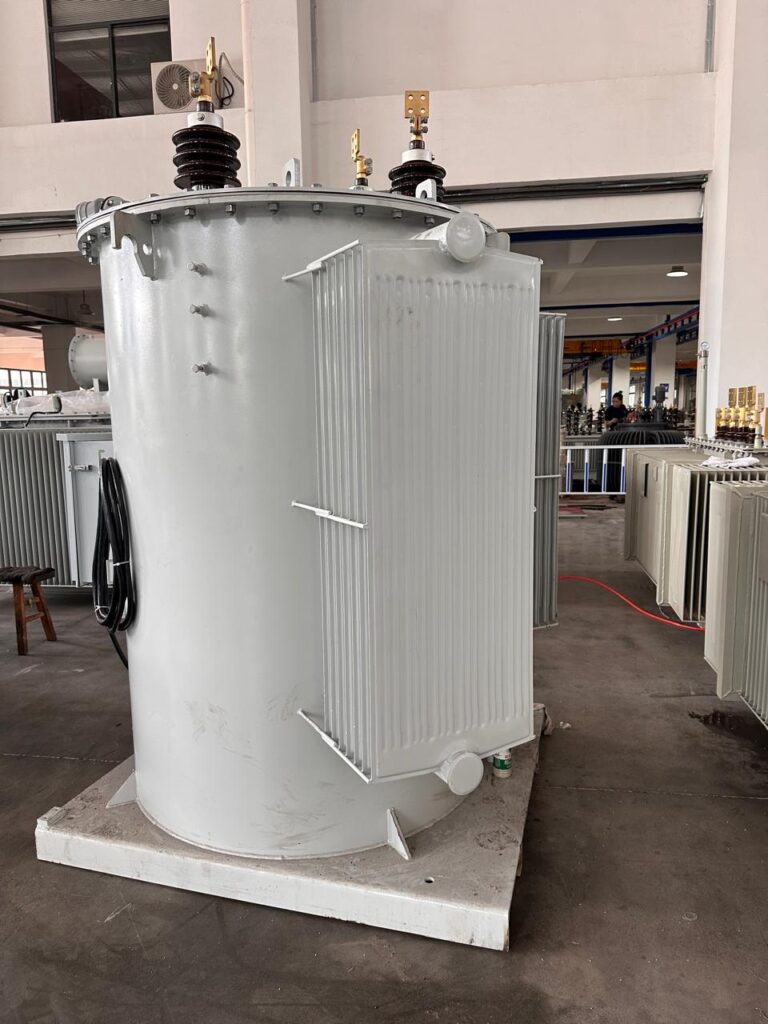
Automatic Voltage Regulators are essential anywhere stable power is non-negotiable:
- Industrial Manufacturing: Protecting CNC machines, assembly line robots, and industrial control systems (PLCs).
- Medical Facilities: Ensuring the precision and safety of MRI machines, CT scanners, patient monitors, and laboratory equipment.
- Telecommunications: Keeping base stations, servers, and network switches operating reliably.
- Office Environments: Safeguarding servers, workstations, and critical IT infrastructure.
- Banking & Finance: Protecting ATMs, trading terminals, and data centers from revenue-lossing disruptions.
- Home & Residential Use: Stabilizing voltage for expensive home entertainment systems, air conditioners, and refrigerators.